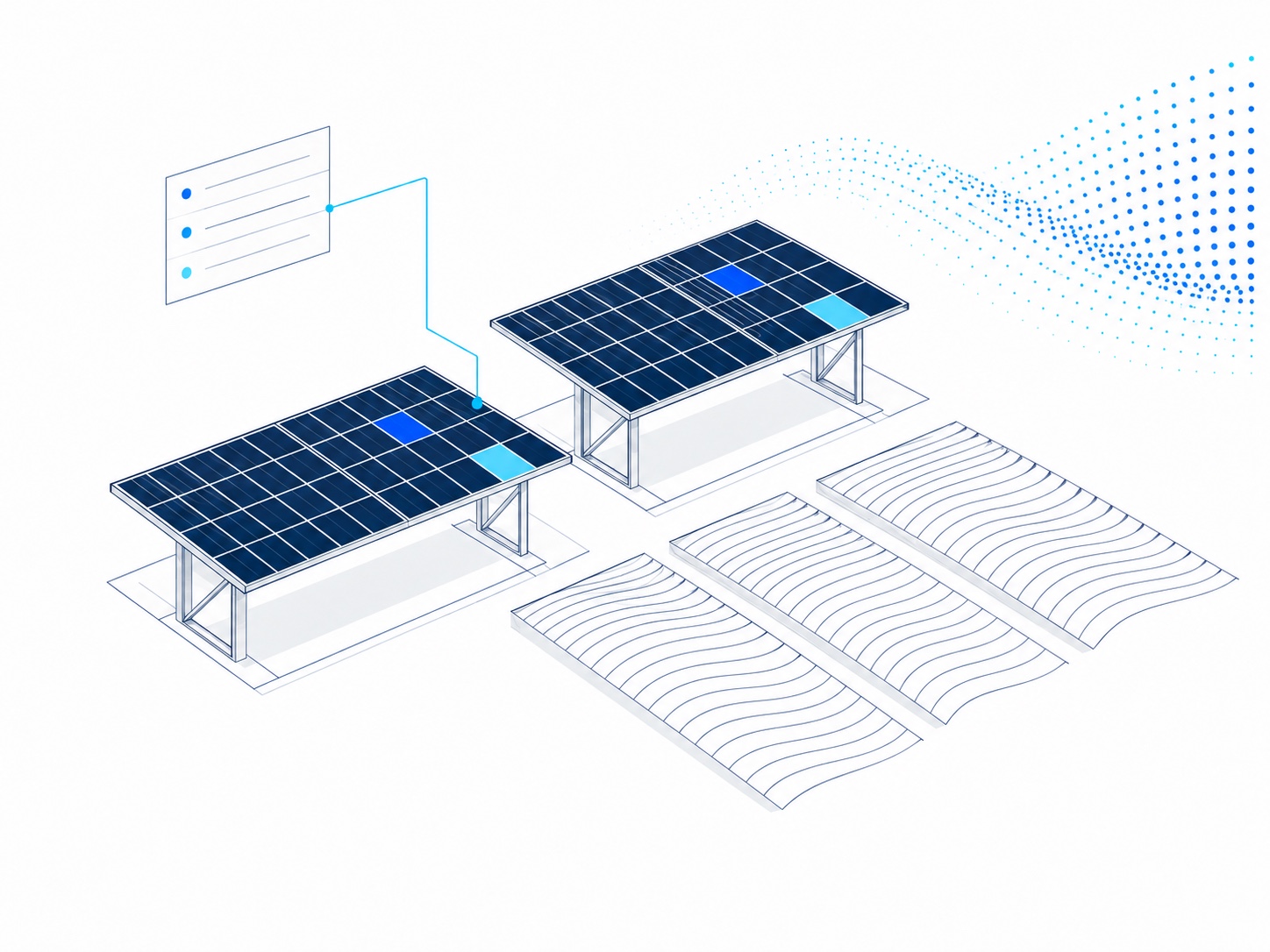
Look beyond installed capacity.
Energy powers equipment, water infrastructure supports agriculture, and engineering systems allow facilities to operate. When these foundations are unreliable, productive assets can remain underused and essential services can be interrupted.
The economic significance of an investment therefore extends beyond the equipment supplied or the capacity installed. It includes the continuity of the activity it enables and the cost of sustaining that continuity.
Design for productive use.
Reliable and affordable power can support irrigation, manufacturing, commercial operations, and public services. Requirements should follow the needs of the activity, the operating environment, and the organization’s ability to sustain the system.
Engineering assessment, appropriate design, equipment integration, testing, and commissioning help translate an investment into usable operational capability.
Connect infrastructure and information.
Remote monitoring, asset management, maintenance workflows, and operational analytics can improve visibility of system condition and performance. Digital and physical capabilities can reinforce one another.
Enterprise platforms can help the organizations using the infrastructure coordinate equipment, costs, production, and resources more effectively.
Sustain the capability.
Maintenance, local knowledge, lifecycle costs, and operational preparation shape long-term value. A reliable system should remain practical to operate and improve.
Meaningful measures can include delivered energy, productive uptime, service availability, lifecycle cost, and the cost of energy per unit of output. The appropriate measures depend on the problem being addressed.
Infrastructure enables production. Reliability makes that production sustainable.