Resources are a starting point.
Agricultural land, water, human skills, and entrepreneurial initiative provide foundations for economic opportunity. Their contribution to prosperity depends on the systems through which they are developed and put to use.
A farm needs more than land. Reliable irrigation, affordable energy, technical knowledge, finance, storage, logistics, and market connections all shape what it can produce and the value it can retain.
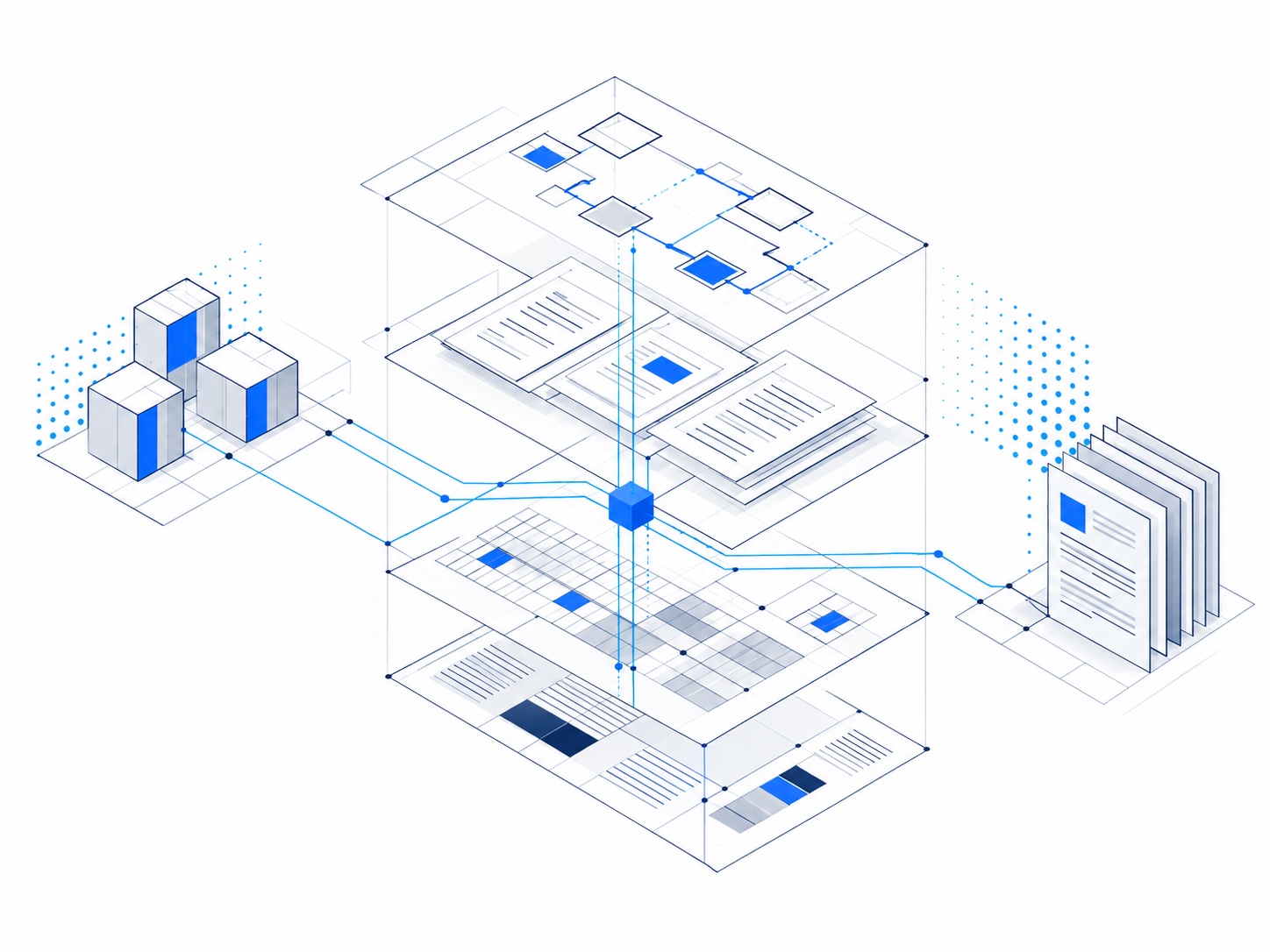
Capabilities reinforce one another.
The effectiveness of one investment often depends on the capabilities around it. Energy supports productive equipment. Enterprise systems improve coordination. Institutions administer services and establish predictable processes.
Improving one element may have limited value if another remains a binding constraint. The task is to understand which capabilities are missing, how they interact, and where a practical intervention can make a meaningful difference.
Recovery and transformation are connected.
Sudan faces the overlapping challenge of preserving essential activity, restoring productive assets, and developing stronger foundations for the future. Recovery restores productive capacity. Transformation expands it.
A4 seeks opportunities where immediate operational improvements can also establish knowledge, reliable systems, organizational capability, and technical capacity that endure.
The system is the unit of understanding.
This perspective connects A4’s three business areas. Institutional systems improve the ability to govern, coordinate, and deliver. Infrastructure supports dependable services and productive use. Enterprise technologies strengthen the organizations that turn resources into economic value.
Not every problem needs a multi-sector intervention. The solution should be proportionate to the problem and grounded in the conditions in which it will operate.
Lasting progress depends on building the capabilities that make it possible.